The factoid about the Japanese language played an important part in WWII. They passionately believed that JN-25 code was unbreakable, in large part because of the intricacy of the Japanese language. They simply refused to believe it, even in the face of overwhelming evidence to the contrary. We sent P-38s to a rendezvous with a "Betty" bomber over Bougainville Island and shot it and its wingman down over Japanese-held territory. Why? Because one of the bombers contained Admiral Yamamoto, architect of Pearl Harbor. There was only one glaring reason for that audacious attack and it was argued against out of the fear that the Japanese would immediately understand that we could have only known by breaking their code. However, the resistance to that acceptance was so great, the reason they assigned was espionage and several people lost their lives because they knew of the trip and scarce additional evidence against them...
I didn’t know that and it’s interesting to me.
I’d say that’s due to good old Human Hubris from the Japanese people at the time.
I’d also say the Japanese language is super complicated but simultaneously simple.
I have no doubt a highly intelligent code cracker could figure it out for intel purposes and especially if they had a Chinese or Japanese American help them figure out the Kanji meanings.
I could have also easily said before that English is a Top 2 most difficult language for a Japanese native to learn and it’s because of the differing Sentence Structures and Grammar rules.
To get just a bit in the weeds.
English is a Subject-Verb-Object (SVO) language while Japanese is a Subject-Object-Verb (SOV) language so they flow very differently.
Japanese also has a lot of Grammar particles that connect those different parts like connecting Lego blocks and sometimes they use them all and sometimes they omit but the sentence says and means the same thing.
So in English we would maybe say to a person..
“Today I went to the park and gave bread to the birds and now I’m happy.”
In Japanese with grammar particles in brackets that would be:
今日(は) 公園(に)行っ(て) 鳥(に) パン(を) あげました。おかげ(で) 今(は) 幸せな気分 です。
Phonetically
Kyou (wa) kouen (ni) it(te) tori (ni) pan (o) agemashita. Okage (de) ima (wa) shiawasena kibun desu.
What that would literally come to in English is
Today (Topic we are talking about) park (destination) went to (and) birds (direction) bread (object) gave. Because of this action (due to this) Right now (topic change or contrast) I self feeling good person am.
A more natural translation would be.
Today I went to the park and gave bread to the birds and because of this I am feeling happy inside.
So they are just structured so completely differently even though it’s conveying the same thing.
It sounds just as weird and crazy to a Japanese person trying to make sense of English.
But for me what I’ve learned is that Humans are all the same. We talk about the same things and care about the same things in the same ways no matter the difference in language.
No language is superior to another and no country or its people are superior to any other county or it’s people.
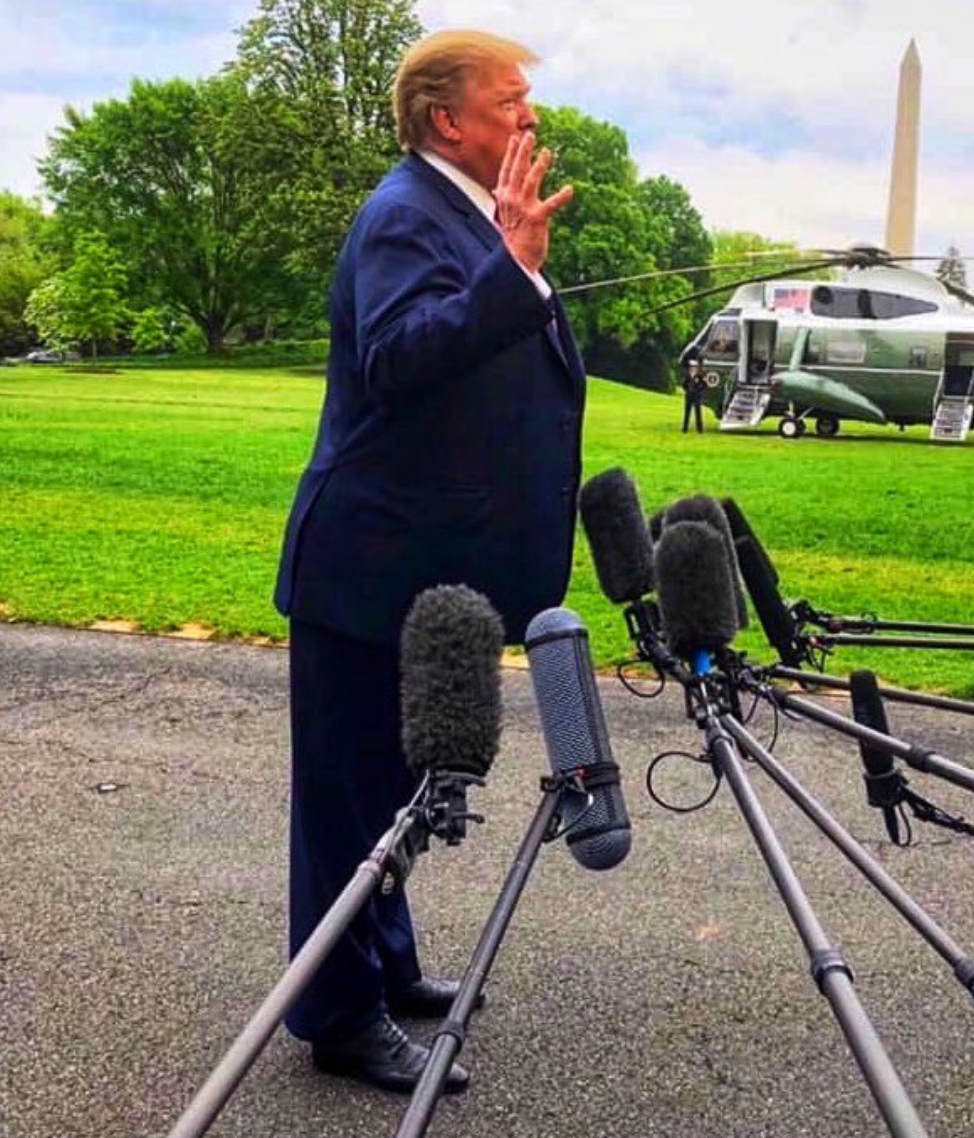
It’s why it’s so insulting for Trump and people in his admin to act like Spanish or any other language would be beneath them and not worth the effort or time sink to learn.
They have a superiority complex and look down on others.
Trump to me isn’t patient enough or even possibly intelligent enough to learn another language. He can barely form English sentences that make sense.
He’s more preoccupied with grabbing low hanging fruit to take digs at people anyway.
Anyway sorry to side track things it just really gets under my skin how he speaks to non-Americans.